

Data Breaches: What They Are and How They Can Hurt You - Tom's Guide
Data breaches: What they are and how they tin can hurt you
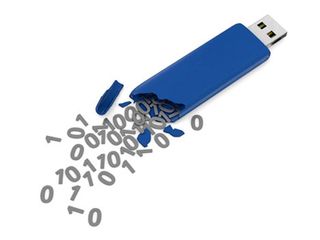
"Information breach" is a wide term referring to any leak of secure information that was intended to remain private, but applies especially to situations in which secure information falls into the easily of someone who isn't authorized to have it.
Data breaches are sometimes adventitious, only many are intentional. They may be perpetrated by a authorities, by disgruntled employees (current or onetime),by criminals or malicious hackers, or indeed by anyone who has an involvement in broadcasting secret information beyond its intended recipients.
- How to protect yourself from data breaches
- The best identity-theft protection services to proceed your personal data safe
- All-time password managers to keep your accounts secure
Adventitious and intentional information breaches
Accidental data breaches are oftentimes caused by improperly handled computer and data-storage equipment. Stolen laptops, prison cell phones, digital music players and other portable electronic devices also may contribute to the problem.
In contempo years, the wide availability of cheap online storage servers, such equally those managed by Amazon Spider web Services (AWS), has led to dozens of incidents of sensitive data being accidentally exposed or left unsecured due to improperly configured servers.
We generally call such incidents "data leaks" if it's not clear whether anyone maliciously took the information, but information technology's rarely possible to prove that the exposed information was never noticed.
To use a physical-world illustration, if you come home to find your doors unlocked, only zip missing, yous can't be sure an bodily law-breaking was committed.
Intentional data breaches have many forms. They may be the work of someone breaking into a secure database, obtaining sensitive data with a keystroke logger, smuggling small media-storage devices out of a secure area, photocopying confidential data or using many other methods.
Potential ramifications
Information breaches take potentially serious consequences. Social Security numbers, banking company-business relationship data or credit-carte du jour numbers that fall into the incorrect hands can all be used for identity theft.
Military or government data leaks may jeopardize national security and identify specific people or organizations in danger. They could reveal the identity of covert intelligence agents or compromise individuals placed in a witness-protection program.
The large number of data breaches since 2010, and the resulting availability of billions of compromised account credentials (usernames and passwords) has led to an epidemic of "credential stuffing," in which hackers bombard websites with known credentials to see if they can log in.
To avoid this, check your existing passwords on the costless HaveIBeenPwned website to meet if they have been compromised in information breaches. If whatever take, so change each one to a long, strong and unique password, preferably 1 generated and handled by one of the best password managers.
Military machine breaches
Information breaches have also soured political campaigns, ruined careers and incited riots. The Tunisian uprising that inaugurated the "Arab Spring" popular rebellions across the Middle E in 2011 was fueled in part by Wikileaks' publication of secret U.South. diplomatic cables that detailed the corrupt, lavish lifestyles of the Tunisian dictator's family and associates.
Non all breaches are illegal. Armed services information breaches, however, certainly are.
Leaking classified information by military personnel is normally considered treason and can effect in a courtroom-martial, equally was the case of Army Pfc. Bradley (afterward Chelsea) Manning, convicted of providing diplomatic cables to Wikileaks.
Members of the military found guilty of disseminating classified information may fifty-fifty face up the death penalty. (Edward Snowden, who gave media outlets copies of more a one thousand thousand pages of National Security Agency documents, was not an agile member of the armed forces when he did and then.)
Data-alienation insurance
In that location are many ways to decrease the likelihood of a data breach, or lessen the negative affect if one does occur.
An increasingly popular option for companies and other organizations is data-alienation insurance, which pays for legal proceedings, technical investigations, forensic audits, communications with maybe afflicted persons and crisis direction. This insurance doesn't actually stop information leaks, but reduces the hassle of dealing with the aftermath.
Active security measures
Corporations can lower the risk of a data alienation by encrypting sensitive data, restricting the flow of confidential information and using multiple security and authority procedures.
For example, a database might be protected with an alphanumeric countersign that changes every calendar week, plus a fingerprint or retina scanner for a second form of authentication.
It's prudent to change all passwords several times each twelvemonth and utilise unique authorization codes for each database. This means that even if one password were leaked, the other databases wouldn't automatically be compromised.
Exfiltration limits
Information-protection measures arrive more hard for unauthorized persons to access secure information, and the most constructive security protocols also limit data exfiltration.
Such protocols identify strict limits on the type of information that tin be transferred out of a database (and emailed or copied onto a retentiveness stick), on the speed of such transfers and on the amount of data that can be transferred in 1 day.
For example, Manning allegedly copied hundreds of thousands of documents from a secure database in a short time, an activeness that might accept been prevented by information-exfiltration limits.
With stringent limits in place, a hacker will have to admission the secure information over a period of several days or weeks, making him or her much more than likely to be defenseless in the act.
Constant vigilance
Above all, organizations must keep their proverbial optics open for whatever signs of suspicious activeness. Furthermore, they must stay abreast of the latest security advances and the methods that unscrupulous individuals are using to foil them.
There is no full guarantee against data alienation, just staying aware of security methods and constantly monitoring sensitive information volition minimize breaches and the impairment they crusade.

Source: https://www.tomsguide.com/us/data-breaches-definition,news-18006.html
Posted by: juhaszothympas51.blogspot.com
0 Response to "Data Breaches: What They Are and How They Can Hurt You - Tom's Guide"
Post a Comment